
Africa Can Lead Its Energy Transition
Harnessing Trade and Industrial Capacity to Power Africa’s Clean Future
Africa sits at the crossroads of an urgent energy and climate challenge: how to expand electricity access for millions while reducing greenhouse gas emissions. Today, nearly 43% of the continent’s population lacks access to electricity, yet Africa holds the world’s highest renewable energy potential and more than 40% of the global reserves of critical minerals needed for clean energy technologies. Despite this, most renewable energy equipment is imported, leaving the continent dependent on external markets and limiting opportunities for industrialisation, local job creation, and economic growth.
A new policy brief by Aimée Tredoux and Brian Makundi explores how the African Continental Free Trade Area (AfCFTA) can help translate Africa’s abundant resources into practical benefits for the energy transition. By reducing tariff and non-tariff barriers to trade, connecting complementary capacities, and enabling local manufacturing of renewable energy technologies, AfCFTA can support regional value chains that accelerate renewable deployment while aligning with countries’ Nationally Determined Contributions (NDCs).
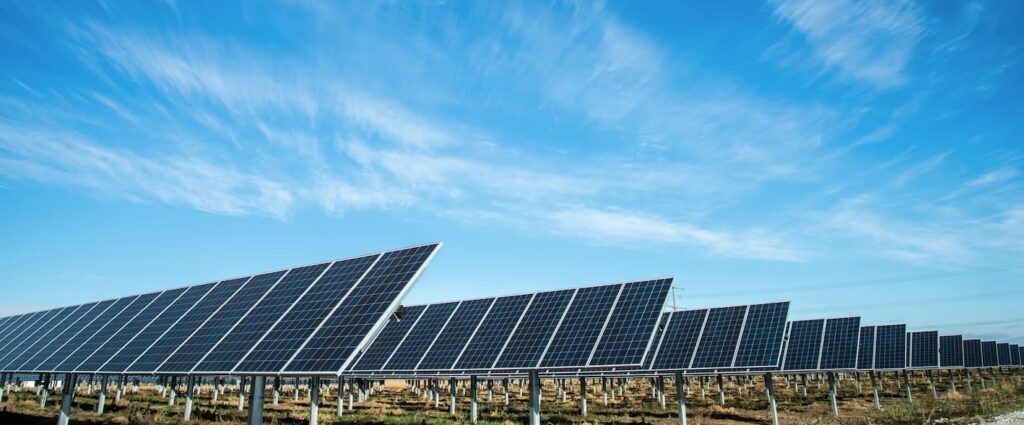
The brief highlights several opportunities:
- Strengthening regional trade: Under AfCFTA’s reduced tariff conditions and harmonised standards, intra-African trade in critical minerals can expand, reducing dependence on imports and helping countries capture value locally.
- Localising manufacturing: Developing regional industrial capacity for renewable energy equipment creates green jobs, builds technical skills, and supports economic resilience
- Integrating equity and safeguards: Embedding Just Energy Transition (JET) principles ensures that benefits reach vulnerable communities, while avoiding fossil fuel lock-ins and preventing unintended negative impacts.
- Mobilising finance and technology: Cross-border collaboration and knowledge transfer can accelerate industrialisation and renewable energy
The brief makes clear that while AfCFTA provides a powerful lever, success depends on coordinated industrial, trade, and energy policies designed to mainstream justice, equity, and inclusion. Without such safeguards, the energy transition risks deepening existing inequalities, leaving vulnerable populations behind, and locking in fossil fuel dependence in some regions.
With deliberate design and implementation, Africa has a historic opportunity to drive a renewable energy transition that is African-owned, equitable, and aligned with climate goals—turning the continent’s mineral wealth and renewable potential into tangible benefits for people, jobs, and economies across the continent.