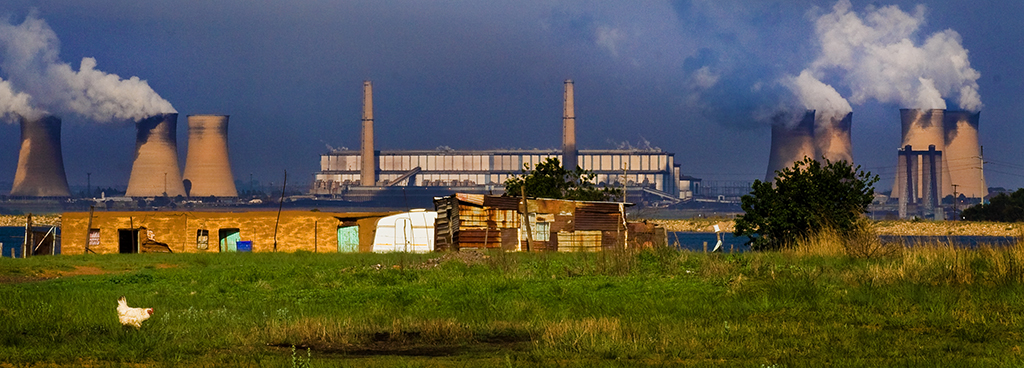
Mpumalanga’s Just Energy Transition Can Succeed—But Only With Communities at the Centre
South Africa’s shift toward renewable energy is accelerating, and Mpumalanga, long the heart of the country’s coal sector, is at the centre of this transition. The national Just Energy Transition Partnership (JETP) promises billions in investment and thousands of new green jobs. But research from the University of Pretoria warns that without intentional design, these benefits may bypass the very coal-host communities most affected by the decline of coal.
A new policy brief by Dr. Takudzwa Musekiwa and Phatsimo Rahman shows that while renewable energy projects create work, most opportunities are short-term construction jobs. Permanent roles are far fewer and often filled by non-local workers because of skills gaps, travel costs, or projects being built far from coal towns. Many residents, especially women, face barriers such as a lack of transport, childcare, and relevant technical training. Without intervention, the transition risks deepening local unemployment and inequality.
Yet the research also highlights what does work. Small-scale pilots in Mpumalanga demonstrate that when renewable projects are paired with deliberate local hiring, employer-linked training, apprenticeships, and community involvement, communities can capture real economic value. These lessons form the basis of an Implementation Package aimed at making the transition genuinely “just.”
Key actions include requiring all energy developers to submit community impact and local hiring plans before approval, strengthening TVET programmes through industry partnerships, offering retraining support for coal workers, creating blended finance windows for local SMEs, and establishing an independent Community Oversight Unit to track real outcomes of jobs, wages, procurement, and poverty levels.
In short, the transition will only succeed locally if it goes beyond big national job numbers and focuses on who benefits in Mpumalanga’s towns. With intentional design, local accountability, and support for workers and small businesses, the province can turn the energy shift into a genuine opportunity for shared prosperity without resorting to exclusionary, xenophobic or nationalist hiring practices.
The message is clear: a greener future for South Africa is possible, but it must also be a fairer one. Mpumalanga’s communities deserve nothing less.
Read the policy brief here.